Puntasecca Beach
The Shape of WaterPuntasecca Beach is a compact, sheltered stretch of sand near Vigàta, defined in the novel both by its physical seclusion and by its role as a familiar meeting place for Montalbano and Gegè Gullotta. Set against a wider coastal landscape of scrubland, industrial ruins, and informal commerce, the beach offers a quiet counterpoint to the political and social pressures surrounding the town.
Setting and Coastal Context
The beach is described as a small strip of sand sheltered by a hill of white marl. At the hour when Montalbano arrives, it is deserted, giving the meeting a privacy that the more populated town cannot provide. The spare description makes the place legible through its shape and shelter: a compact space set apart from ordinary activity, rather than a developed resort or public gathering ground.
Puntasecca lies within the broader coastal setting of the Pasture, a tract of Mediterranean brush on Vigàta’s outskirts that extends almost to the shore. Behind that scrubland stand the ruins of a large chemical works, its failed promise of progress leaving unemployment and abandoned structures in its wake. The beach itself is not identified with the factory, but it belongs to the same marginal landscape, where shore, scrub, and industrial dereliction meet.
A Familiar Meeting Place
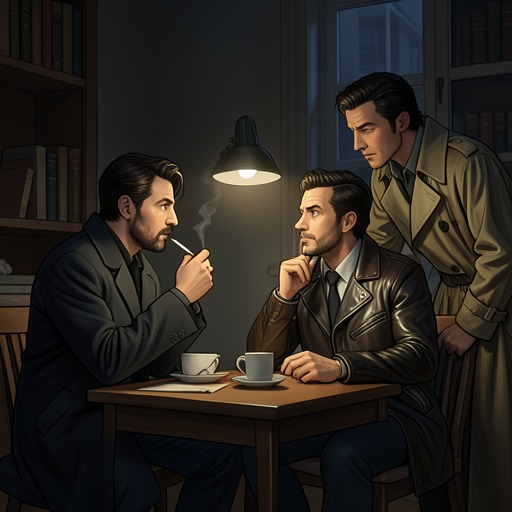
Montalbano and Gegè arrange to meet at midnight at what they call their usual place, Puntasecca. The reference establishes that the beach is not a chance location but a known point of encounter between them. When Montalbano arrives, Gegè is already waiting, leaning against his car and smoking. They stand together in silence and smoke before Gegè begins speaking, so the meeting opens with familiarity and pause rather than immediate questioning.
The exchange gives the quiet setting a practical narrative function: it enables a private conversation between the inspector and a man prepared for his questions. Gegè’s relaxed greeting and readiness to talk contrast with the investigative purpose of Montalbano’s visit. The beach becomes a small, recurring piece of shared geography, a place where their longstanding acquaintance can surface within the demands of the case.
The Shore and the Pasture’s Uses
The surrounding coast also carries the consequences of political decisions. After troops are sent to Sicily to help control the territory, soldiers arrive in towns such as Vigàta, and Gegè, a quick-thinking local pimp who had been dealing in light drugs, recognizes an opportunity. Through informal channels and the acquiescence of those who actually control the area, he obtains permission to establish a market at the Pasture, where sex workers and light drugs serve the soldiers and others willing to pay.
The narrative places that trade among the Pasture’s bushes and sandy shore, making the coastline more than a neutral backdrop: it is part of the space in which official policy, local influence, and precarious livelihoods intersect. The beach’s quiet isolation and the neighboring scrubland’s illicit economy are contrasting aspects of the same coastal margin. Puntasecca’s role as a meeting place thus sits within a landscape whose apparent remoteness does not mean it is outside the town’s social and political arrangements.